Comprehending Aluminum Casting: A Comprehensive Overview to Its Benefits and Applications
Aluminum casting is a procedure that transforms molten aluminum right into solid kinds through various strategies. This method uses notable advantages, such as lightweight toughness and corrosion resistance. It locates applications in many sectors, mirroring its adaptability. Understanding the complexities of aluminum casting and its ideal methods can considerably influence the high quality of the final item. Exploring these components reveals the real possibility of aluminum casting in modern production.
The Fundamentals of Aluminum Casting
Aluminum casting is a production procedure that transforms liquified aluminum into solid objects through different methods. This procedure starts with heating aluminum till it reaches its melting point, enabling it to stream right into molds. There are a number of techniques of aluminum casting, including sand casting, die casting, and financial investment casting, each suitable for different applications based upon style intricacy and manufacturing volume.
In sand casting, molds are formed utilizing sand, providing versatility for elaborate forms. Die casting entails forcing liquified aluminum into a steel mold and mildew under high stress, leading to specific and repeatable components. Financial investment casting, on the other hand, uses a wax pattern that is covered with ceramic to produce in-depth parts.
After the aluminum solidifies and cools down, the molds are eliminated, revealing the finished products. This casting process is important in different industries, consisting of auto, aerospace, and customer goods, making it possible for the development of light-weight and resilient parts.
Advantages of Aluminum Casting
One of the essential benefits of aluminum casting depends on its capacity to create light-weight yet solid parts. This special mix makes aluminum an optimal option for different sectors, consisting of auto, aerospace, and durable goods. The intrinsic corrosion resistance of aluminum likewise boosts the durability of the actors elements, prolonging their life expectancy and lowering the requirement for maintenance.
Additionally, aluminum casting permits complicated geometries and detailed designs, which can cause a lot more efficient and cosmetically pleasing items. The material's outstanding thermal and electric conductivity better expands its applications, specifically in electronic devices and heat exchangers.
Aluminum recycling is extremely reliable, adding to environmental sustainability and lowering manufacturing costs. In general, the advantages of aluminum casting placement it as a functional and practical service for producers seeking to optimize efficiency while lessening weight and resource use.
Common Techniques of Aluminum Casting
While various methods exist for aluminum casting, each approach supplies distinctive advantages customized to particular applications. The most common approaches include sand casting, pass away casting, and financial investment casting.
Sand casting, recognized for its flexibility, uses sand molds to develop complex shapes and appropriates for both small and huge production runs. Pass away casting, on the various other hand, employs high-pressure injection of liquified aluminum into steel molds, leading to smooth surface areas and accurate dimensions, making it suitable for automation.
Investment casting, frequently described as lost-wax casting, includes creating a wax pattern coated with a ceramic shell. Aluminum Foundry. Once the wax is dissolved, liquified aluminum is put into the dental caries, yielding detailed layouts and superb surface area coatings
Each of these methods plays a necessary function in the aluminum casting landscape, using particular advantages that cater to varying production demands and manufacturing scales.
Applications Throughout Industries
The convenience of aluminum casting methods enables a large variety of applications throughout different markets. In the auto sector, lightweight aluminum elements enhance fuel efficiency and efficiency, aluminum casting adding to the expanding need for electric vehicles. Aerospace industries utilize aluminum spreadings for their strength-to-weight proportion, ensuring safety and security and toughness in airplane manufacturing.
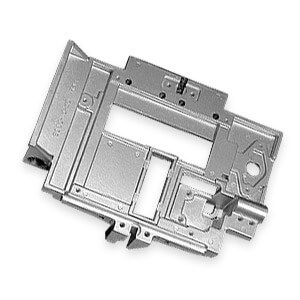
The building and construction sector gain from aluminum casting with architectural components and architectural parts that resist corrosion and require marginal maintenance. Furthermore, consumer electronic devices producers utilize aluminum spreadings for frames and housings, stabilizing aesthetics with functionality.
In the marine field, aluminum castings are favored for watercrafts and marine tools due to their resistance to deep sea rust. The clinical field uses aluminum castings in surgical tools and tools, guaranteeing precision and dependability. Generally, aluminum casting's adaptability enables it to meet the varied needs of several markets, making it a vital production process.
Ideal Practices for Successful Aluminum Casting
Effective aluminum casting depends on a combination of mindful prep work, precise implementation, and comprehensive quality assurance. At first, selecting high-grade aluminum alloys is essential, as they directly affect the casting's residential or commercial properties and efficiency. Appropriate mold and mildew style is imperative, ensuring that it accommodates thermal contraction and reduces problems.
Throughout the melting process, preventing and keeping the right temperature contamination are crucial to accomplishing a consistent alloy. In addition, utilizing effective putting techniques can improve the filling of molds, lowering the chance of air pockets or incorporations.
Post-casting, implementing comprehensive evaluation techniques, such as aesthetic assessments and non-destructive screening, assures that problems are recognized early. Employing rigorous top quality control steps throughout the process helps preserve uniformity and integrity in the final products. By adhering to these finest techniques, suppliers can significantly enhance the success and performance of their aluminum casting procedures.
Often Asked Inquiries
What Precaution Should Be Taken Throughout Aluminum Casting?

Exactly How Can Problems in Aluminum Castings Be Lessened?
Problems in aluminum spreadings can be lessened via cautious mold layout, correct temperature level control, making sure clean metal, using suitable putting techniques, and conducting complete assessments to recognize and attend to problems before settling the casting procedure.
What Is the Ecological Influence of Aluminum Casting?
The ecological influence of aluminum casting includes energy-intensive procedures, greenhouse gas emissions, and source removal concerns. However, innovations in recycling and lasting techniques can mitigate these results, promoting a more environment-friendly method to aluminum manufacturing.
Can Aluminum Casting Be Reused?
Yes, aluminum casting can be reused successfully. The recycling procedure requires substantially much less energy contrasted to main aluminum manufacturing, making it an eco-friendly option that adds to resource preservation and decreased carbon emissions.
What Are the Costs Linked With Aluminum Casting Processes?
Expenses related to aluminum casting processes consist of product costs, labor, devices maintenance, energy intake, and mold construction. These variables can vary considerably based on production range, complexity of layouts, and certain production techniques utilized.
Aluminum casting is a procedure that changes liquified aluminum right into solid forms via various techniques. Aluminum casting is a production process that changes molten aluminum right into strong things via various methods. While different techniques exist for aluminum casting, each approach offers distinctive advantages tailored to details applications. The ecological effect of aluminum casting consists of energy-intensive procedures, greenhouse gas discharges, and resource removal issues. Expenses connected with aluminum casting processes consist of product expenditures, labor, devices upkeep, energy usage, and mold construction.